
Do You Dream?
Vocal trance with a deep, carefully controlled sense of space.
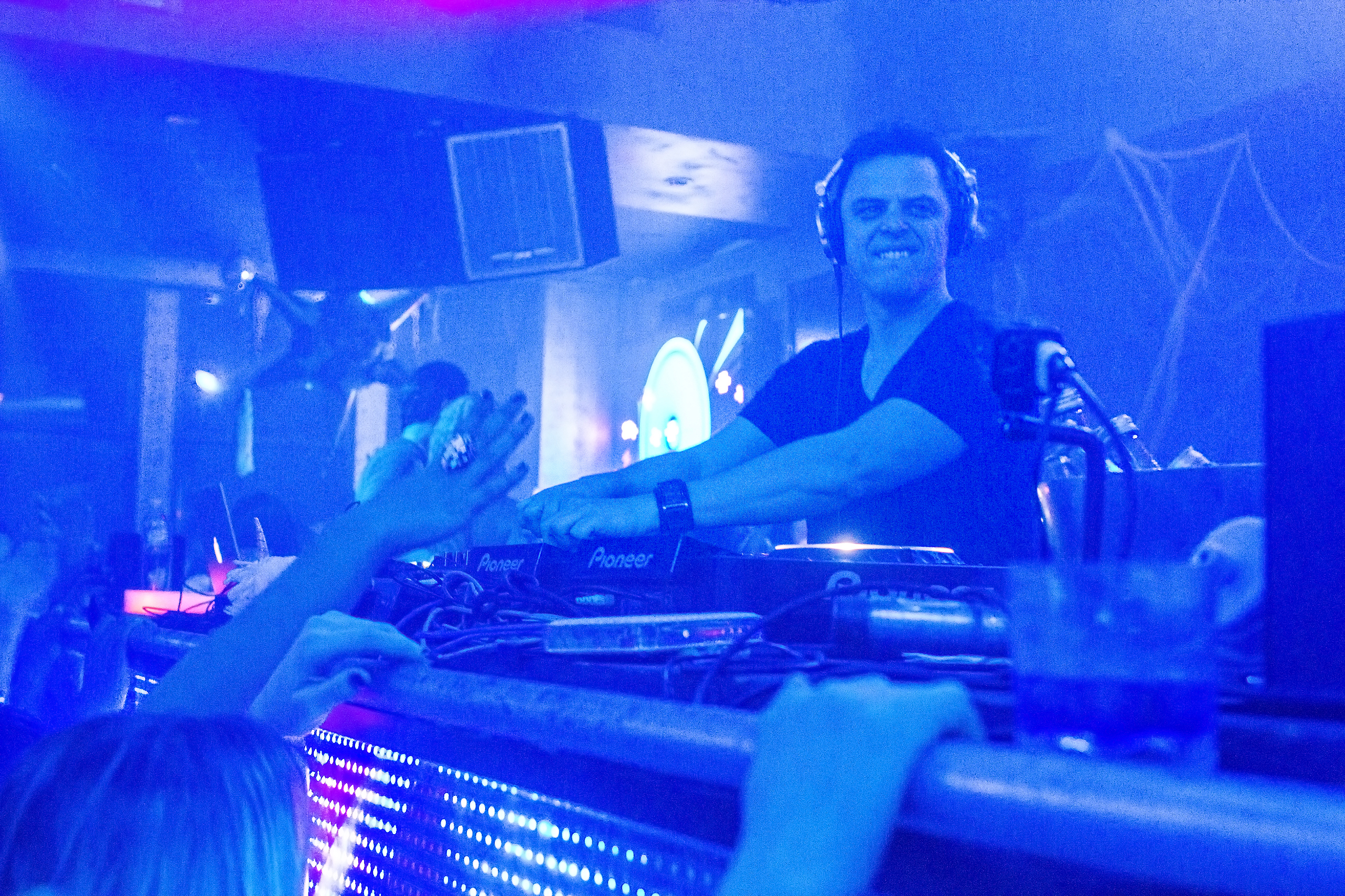
Artist
Why we feature this artist The long way into trance Markus Schulz has a gift for making a dance floor feel as though it is travelling somewhere. The bass is often dark, the melodies arrive patiently and the release matters because of the time spent getting the…
Start with the music
No tracks are available yet.
The artist, in context
Why we feature this artist
Markus Schulz has a gift for making a dance floor feel as though it is travelling somewhere. The bass is often dark, the melodies arrive patiently and the release matters because of the time spent getting there. His music sits comfortably between the inward pull of progressive and the lift of trance.
Born in Germany and based in the United States, Schulz built his reputation through club sets, production and the weekly Global DJ Broadcast. The show became a meeting place for his own music and records by other producers, while Coldharbour Recordings gave that broader musical world a label. Neither activity sits neatly apart from his DJing; they feed the same sense of a developing sound.
The early solo albums Without You Near and Progression established a preference for atmosphere and low-end weight rather than constant peaks. Do You Dream? in 2010 opened that palette towards vocal songwriting without losing its nighttime character. “Perception”, featuring Justine Suissa, is a useful entry point: a recognisable song carried by the patient machinery of a club record.
Scream in 2012 pushed towards a more direct festival scale. The Dakota project, meanwhile, gave Schulz another route into darker, more instrumental electronic music. The distinction is useful without being absolute. Across the aliases, the recurring interest is in tension: how long a rhythm can hold a room before a new harmony changes its temperature.
Watch the World, released in 2016 through Coldharbour with Black Hole Recordings, put particular emphasis on songwriting and vocal collaboration. His long sets and mixes offer another perspective on that catalogue. A track that sounds restrained on its own can become the hinge of an extended sequence. For listeners who know trance mainly through its biggest choruses, Schulz offers a rewarding reminder of everything that can happen around them.
Vocal trance with a deep, carefully controlled sense of space.
A bigger, more immediate version of the Schulz sound.
Songwriting and vocal collaboration move into the foreground.