
Track Details
Clint Eastwood
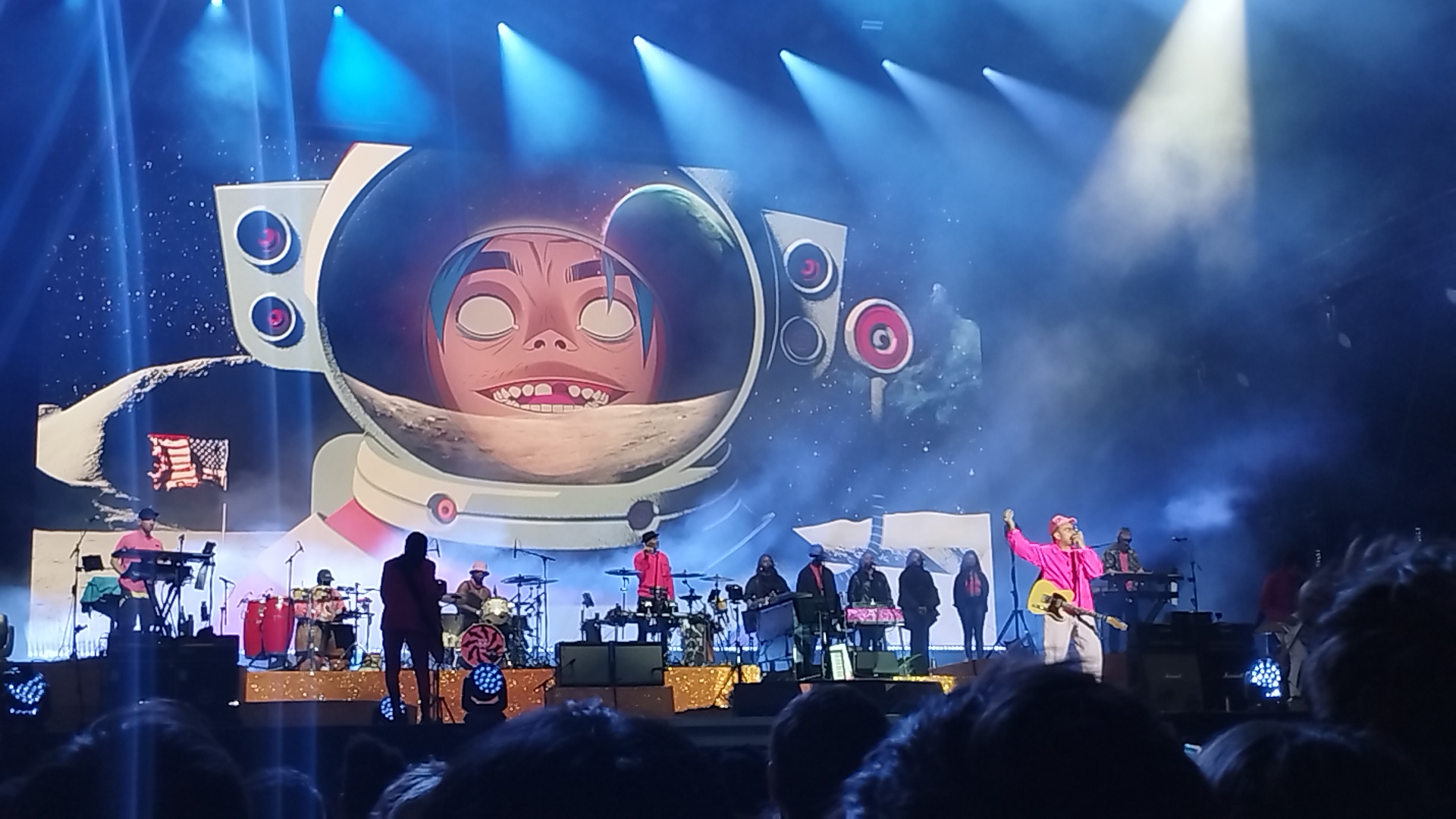
About Gorillaz
Gorillaz turned the idea of a virtual band into a durable musical universe: animated identities, restless genre-crossing production and a collaborative model that lets hip-hop, dub, electronic music, alternative pop and global traditions occupy the same record without feeling like a novelty.
A band built to escape the limits of a band
Damon Albarn and Jamie Hewlett created Gorillaz as a project in which music, animation, fictional biography and pop culture could operate as one continuously evolving world.
Gorillaz emerged in London in 1998 from the partnership of musician Damon Albarn and comic artist Jamie Hewlett. Instead of presenting a conventional lineup, they placed four animated characters at the front of the project: singer 2-D, bassist Murdoc Niccals, guitarist Noodle and drummer Russel Hobbs. The device was more than visual camouflage. It gave Albarn and Hewlett a framework in which the identity of the “band” could remain recognisable while the real musicians, vocalists and producers around it changed constantly.
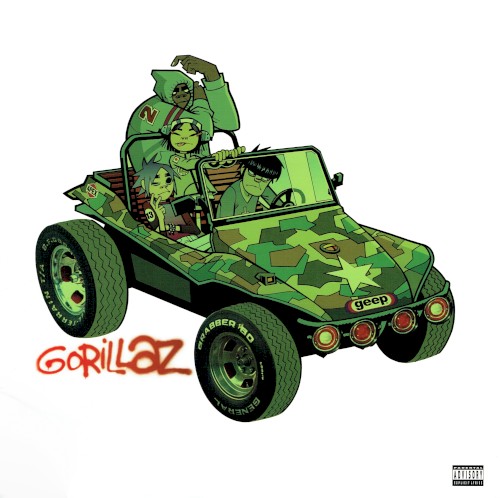
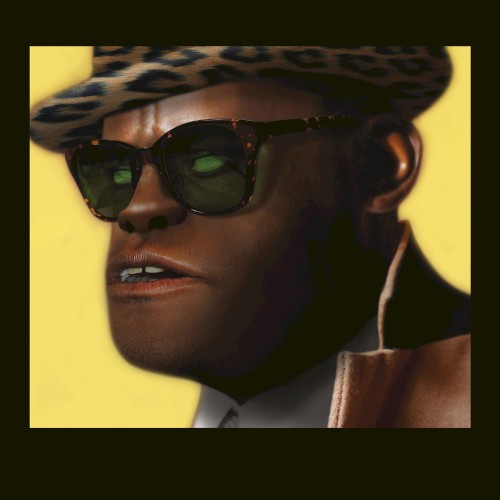
The self-titled 2001 debut established the formula immediately. “Clint Eastwood” fused a melodica-led, dub-influenced atmosphere with Del the Funky Homosapien’s rap performance, while the wider album moved between alternative rock, hip-hop, electronic production and lo-fi textures. Gorillaz sounded less like a fixed genre than a meeting point between scenes that were often marketed separately.
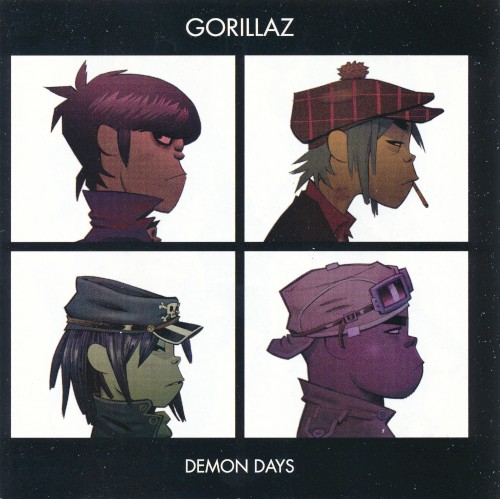
Demon Days expanded that idea in 2005. Produced with Danger Mouse and populated by collaborators including De La Soul, Shaun Ryder, Neneh Cherry and MF DOOM, the album produced some of the project’s defining recordings. “Feel Good Inc.” became a major international signature and won the Grammy Award for Best Pop Collaboration with Vocals.
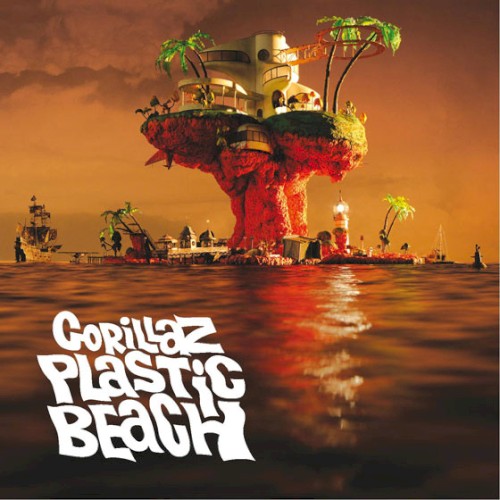
With Plastic Beach in 2010, Gorillaz pushed the collaborative model into an even more elaborate conceptual album, bringing together artists including Snoop Dogg, Bobby Womack, Mos Def, De La Soul, Little Dragon, Lou Reed, Mark E. Smith, Mick Jones and Paul Simonon. The record’s synthetic island imagery and environmental undertones matched music that was polished, melancholic and deliberately difficult to classify.
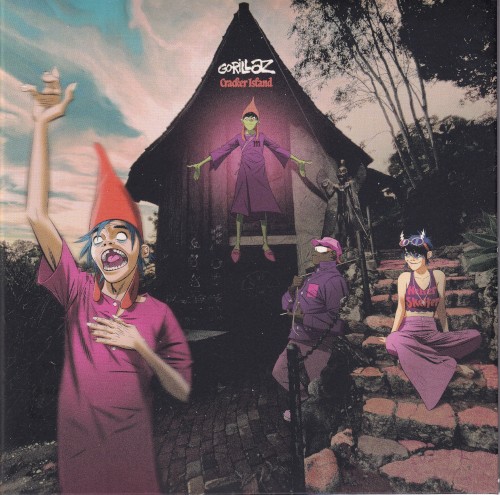
Later releases proved that the virtual-band concept was not tied to a single era. Humanz, The Now Now, the episodic Song Machine project and Cracker Island each reorganised the balance between Albarn’s songwriting and an expanding network of guests. In 2026 Gorillaz released The Mountain, continuing the project’s habit of using place, collaboration and fictional world-building as engines for musical reinvention.
Key moments
From a late-1990s virtual-band experiment to a long-running multimedia project with a global collaborative network.
Gorillaz takes shape
Damon Albarn and Jamie Hewlett form the project in London, developing a virtual band fronted by 2-D, Murdoc Niccals, Noodle and Russel Hobbs.
The debut album arrives
Gorillaz introduces the project’s hybrid musical language and includes “Clint Eastwood”, “19-2000” and “Tomorrow Comes Today”.
Demon Days
The second album broadens the project’s scale and produces enduring singles including “Feel Good Inc.”, “DARE” and “Dirty Harry”.
Grammy recognition
“Feel Good Inc.” by Gorillaz and De La Soul wins Best Pop Collaboration with Vocals at the 48th Annual Grammy Awards.
Plastic Beach
A densely collaborative third studio album develops a vivid environmental concept and includes “Stylo”, “Rhinestone Eyes” and “On Melancholy Hill”.
Humanz ends the studio-album hiatus
Gorillaz return with a guest-heavy album featuring artists including Vince Staples, Popcaan, Grace Jones, De La Soul, Pusha T and Mavis Staples.
Song Machine
The project adopts an episodic release model for Song Machine, Season One: Strange Timez, foregrounding collaboration as an ongoing series rather than a conventional album campaign.
Cracker Island
The album pairs Gorillaz with collaborators including Thundercat, Stevie Nicks, Tame Impala, Bootie Brown, Bad Bunny and Beck.
The Mountain
Gorillaz release a new 15-track studio album shaped by extensive international collaboration and work connected to India.
Essential releases
Five records that show how Gorillaz repeatedly rebuilt their sound without abandoning the project’s central identity.
Essential tracks
A compact route through the project’s early breakthrough, pop peak, electronic melancholy and collaborative instinct.
The virtual band that became more durable than the gimmick
Gorillaz helped normalise a model of pop in which identity is modular and collaboration is structural rather than occasional. The fictional quartet provides continuity, but the music can absorb rappers, soul singers, electronic producers, punk figures, orchestras and musicians from different generations and regions without requiring the project to redefine itself every time.
The visual world is equally central. Jamie Hewlett’s characters, videos and evolving fictional mythology made Gorillaz an unusually complete multimedia proposition, while Damon Albarn’s songwriting kept the concept anchored to recognisable emotional themes: isolation, consumer culture, environmental anxiety, technology, melancholy and the unstable pleasures of modern life. The result is a project that can function simultaneously as pop band, collaborative platform, animated fiction and commentary on celebrity itself.
A deliberately split identity
The distinction between the fictional band and its real-world creators is fundamental to how Gorillaz works.
Damon Albarn
The project’s principal musical architect, songwriter and the primary singing voice associated with 2-D, working with a changing cast of producers, instrumentalists and featured artists.
Jamie Hewlett
Co-creator and visual architect of Gorillaz, responsible for the animated band’s distinctive character design and much of the project’s evolving visual language.
2-D, Murdoc, Noodle and Russel
The fictional members provide a persistent public identity and narrative framework even as the real-world musical personnel and collaborators change from release to release.
Official destinations
Use official artist and licensed streaming destinations for current releases and catalogue listening.
Editorial profile prepared using official and licensed Gorillaz streaming pages, Grammy Awards records, MusicBrainz and Cover Art Archive release data.
More from Gorillaz

Discussion
No comments yet. Be the first to share your thoughts!
No comments yet.