Track Details
Romulus 3
About Romolo Di Prisco
Rom Di Prisco helped define the sound of late-1990s and early-2000s electronic game culture. His fusion of breakbeat, trance, industrial textures, ambient space and racing-game momentum still feels inseparable from the era that shaped YGEN.
Electronic motion, built for imaginary worlds
From underground electronic releases to some of gaming’s most recognisable sound worlds, Rom Di Prisco has spent decades connecting club energy with interactive media.
Rom Di Prisco emerged from the Canadian electronic scene with a production language shaped by synthesizers, sequencers, breakbeats and the darker edges of 1990s club music. Under his own name and the Morphadron alias, he developed a sound that could move between trance propulsion, industrial weight, ambient suspension and tightly programmed rhythmic detail.
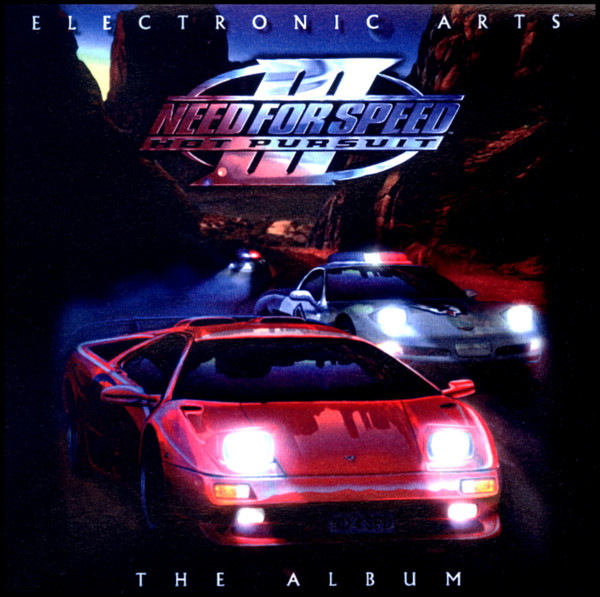
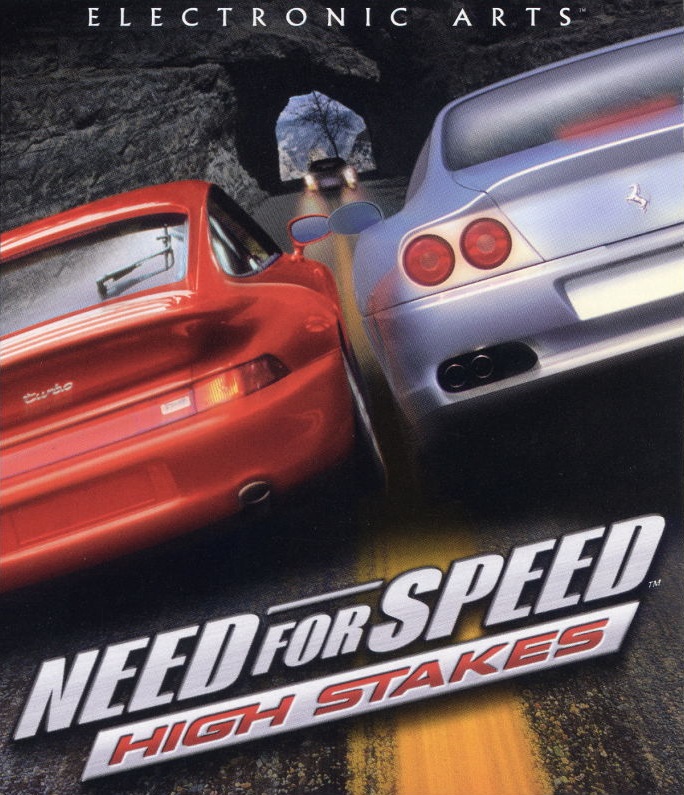
His work became especially influential through Electronic Arts. Music associated with the classic Need for Speed era gave high-speed racing a futuristic identity: metallic percussion, acidic basslines, wide atmospheric pads and grooves that felt engineered for acceleration. Those tracks did more than accompany gameplay; they became part of how an entire generation remembers early 3D racing games.
Di Prisco’s game credits expanded far beyond a single franchise. His catalogue includes work connected to SSX Tricky, the NHL series, Unreal Tournament 3, Gears of War, Mass Effect 2, Fortnite, Paragon, Foxhole and other major productions. He also composed for Guacamelee!, where breakbeat and electronic production were fused with chiptune and Mexican-inspired musical colour.
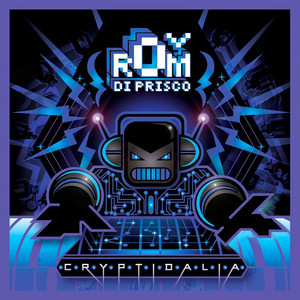
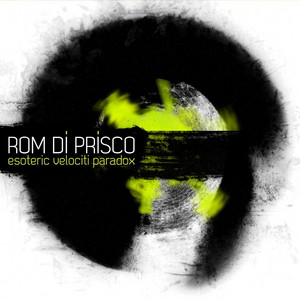
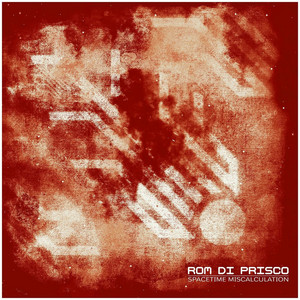
Alongside commissioned work, he built a substantial independent discography. Albums such as Cryptidalia, Esoteric Velociti Paradox, Spacetime Miscalculation and Fields of Verisimilitude preserve the exploratory side of his music while reconnecting it with the hardware, techniques and genre collisions that defined his 1990s output.
That continuity is central to his appeal. Di Prisco does not treat retro electronic music as a museum piece. His newer releases revisit breakbeat, rave, trance, drum & bass, trip-hop and ambient music as living forms, combining period equipment and production instincts with decades of experience in sound design and composition.
Key moments
A career moving between landmark game soundtracks, independent electronic releases and long-running collaborations with major studios.
Electronic foundations
Develops his production style through electronic releases, remix work and the Morphadron alias.
Need for Speed era
Begins a defining run of music associated with the classic Need for Speed games and Electronic Arts’ late-1990s racing identity.
SSX Tricky
Contributes to the sound world of EA Sports BIG’s influential snowboarding game.
Unreal Tournament 3
Produces original material and reworks established Unreal themes for the game’s soundtrack.
Cryptidalia
Releases his debut full-length solo album, spanning breakbeat, trance, ambient, drum & bass and industrial electronica.
Guacamelee!
Co-creates the game’s acclaimed electronic soundtrack with Peter Chapman.
Spacetime Miscalculation
Returns deliberately to his 1990s production approach, using period hardware and techniques to create a retro-futurist album.
Foxhole
Scores the persistent online war game and continues contributing music to its expanding world.
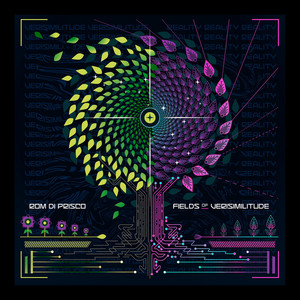
Fields of Verisimilitude
Releases a ten-track album built around unconventional combinations of drum & bass, trance, rave, breakbeat, industrial, ambient and techno.
Essential releases
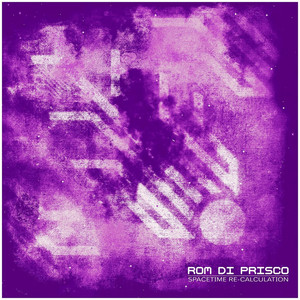
Five releases that trace his independent catalogue from expansive electronic world-building to deliberate reconnections with his 1990s sound.
Essential tracks
A route through atmospheric electronica, retro racing energy, Unreal-era production and his continuing fascination with breakbeat-driven futurism.
The sound of speed, technology and a remembered future
Rom Di Prisco’s lasting importance comes from the way his music fused game design and electronic culture without reducing either one. His racing tracks carried the physical momentum of breakbeat and trance, while his atmospheric writing gave menus, arenas and virtual worlds a strong sense of place.
For listeners who grew up with late-1990s PCs, PlayStation-era racers and the early-2000s expansion of electronic game soundtracks, his work is a direct emotional link to that period. At the same time, his independent catalogue proves that the sound was never only nostalgia: it remains an evolving language of machines, rhythm, space and motion.
A career across games, screens and studios
His catalogue extends beyond artist releases into interactive composition, remixing, production, mixing, mastering and sound design.
Racing-game identity
His work for the classic Need for Speed era helped establish electronic music as a core part of the franchise’s futuristic, high-speed identity.
Epic and Unreal
Projects connected to Unreal Tournament, Gears of War, Unreal Engine demonstrations, Paragon and Fortnite placed his music within Epic Games’ evolving audio world.
Independent games
Guacamelee!, Guacamelee! 2, Fortified, Foxhole and other projects show his ability to adapt a recognisable electronic voice to radically different visual settings.
Film and television
His music has also appeared in productions including Gotham, NCIS, Criminal Minds, CSI, Saw II and The Sopranos.
Official destinations
Explore current releases, catalogue music, game credits and updates through Rom Di Prisco’s verified channels.
Editorial profile prepared using Rom Di Prisco’s official website and Bandcamp, official Spotify release pages, Drinkbox Studios soundtrack pages and verified platform credits.
More from Romolo Di Prisco

Discussion
1 comment
Report Comment