Track Details
Coastal
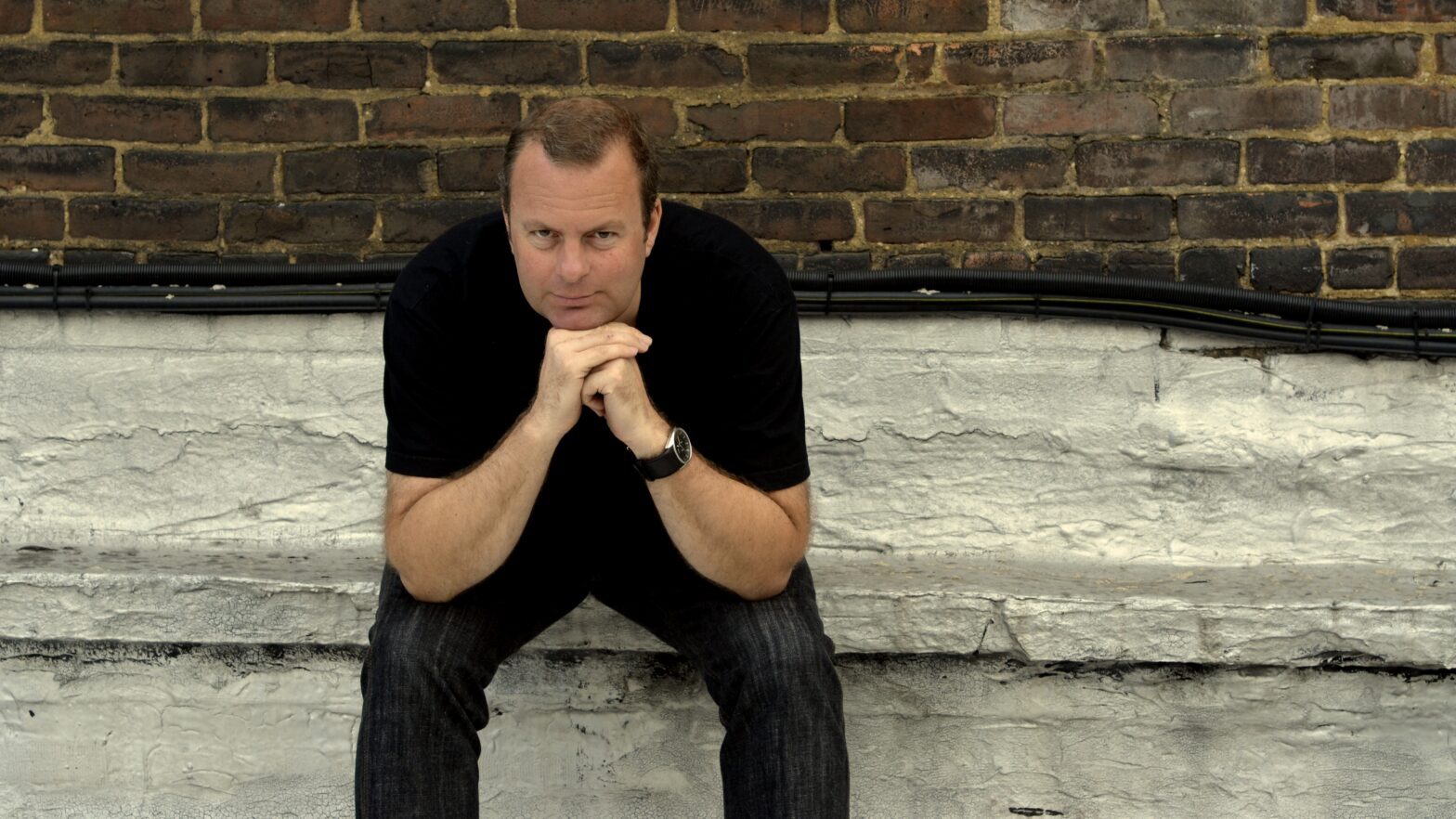
About Lee Groves
Lee Groves belongs to the generation of electronic musicians who treated the studio, sampler and sequencer as instruments in their own right. His career connects the industrial momentum of classic game soundtracks with breakbeat culture, dub experimentation, record production and atmospheric music for film and television.
From sound design to screen worlds
A career built across synthesis, sampling, breakbeat production, collaborative studio work and music written directly for moving images.
Lee Groves began pursuing music professionally in 1989 after an early fascination with electronic organs, MIDI and sequencing. His first major technical work included programming the International Gold Series of synthesizer sound cards, followed by sound design and sample-library projects for AMG and collaborations involving manufacturers such as Akai, Roland, Apple, Technics and Casio.
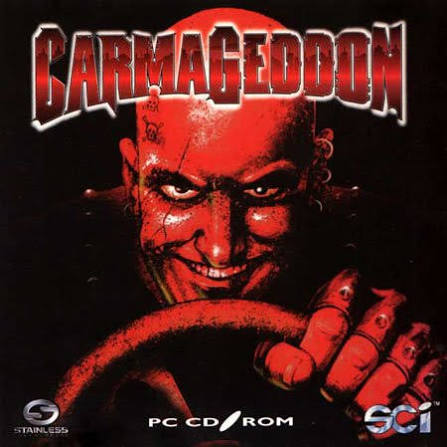
That combination of composition and technical sound construction became central to his game work. During the 1990s and early 2000s he wrote music for XS, Carmageddon and Duke Nukem: Manhattan Project. His cues for Carmageddon paired hard-edged electronic production with the game's violent, anarchic road-racing atmosphere, helping give the original 1997 title a musical identity distinct from conventional racing scores.
In 1996 Groves co-founded PuSH Recordings and became a founding member of Terminalhead with producer and drummer Pete Marett and frontman Spencer Graham. The project became closely associated with the UK breaks scene, releasing records and remixes while performing at major European festivals, including three appearances at Glastonbury. Groves and Marett also held DJ residencies connected with John Digweed's Bedrock club at Heaven and London's Turnmills.
His studio career widened further in the early 2000s through work alongside Mark “Spike” Stent at Olympic Studios. The period placed him around productions involving Depeche Mode, Gwen Stefani, Goldfrapp, Janet Jackson, Elbow, Beck, Marilyn Manson and other major artists. Groves also produced music used in Janet Jackson's Super Bowl halftime show.
Later moves to Sydney, Brooklyn, Nashville and back to the United Kingdom expanded his work as a producer and screen composer. He produced Bertie Blackman's ARIA Award-winning album Secrets & Lies, developed Hex Orchestra with Pete Marett and guitarist Mark Altekruse, and continued releasing solo electronic, production-music and soundtrack material through projects including Dubby Stardust and Tetraphobic Records.
Key moments
Selected milestones across sound programming, game music, breakbeat production, major-label studio work and film scoring.
Begins a professional music career
Leaves further education to work full-time in music, composition and electronic production.
Programs the International Gold Series
Creates synthesizer sound-card programming later used by musicians including Vangelis, Talk Talk, Paul Hardcastle and Pet Shop Boys.
Co-founds PuSH Recordings and Terminalhead
Develops a long-running breakbeat project with Pete Marett and Spencer Graham, combining club production, remix work and live performance.
Carmageddon is released
Contributes original electronic music to the landmark vehicular-combat game alongside material by Fear Factory.
Scores Duke Nukem: Manhattan Project
Continues his work in game music with an electronic score for the side-scrolling Duke Nukem title.
Works at Olympic Studios
Begins working alongside mixer and producer Mark “Spike” Stent on projects involving internationally established recording artists.
Relocates to Sydney
Establishes a studio at Level 7 Studios and produces Bertie Blackman's ARIA Award-winning Secrets & Lies album.
Moves to Brooklyn
Works from Crosby Collective in Soho and expands his network of American writing, production and screen-music collaborations.
Releases The Penitent soundtrack
Issues the original soundtrack through Tetraphobic Records after the feature film's festival run.
Settles in Edinburgh
Begins a new chapter based in Leith while continuing composition, production and mixing work.
Essential tracks
A compact route into Groves' atmospheric, cinematic and electronic solo catalogue.
A bridge between machines, clubs and moving images
Groves' catalogue reflects a period when electronic musicians often moved freely between commercial studios, underground dance labels, hardware programming and interactive media. His work is valuable not because it fits one neat genre, but because it documents how those disciplines fed each other.
For game-music listeners, Carmageddon remains the clearest entry point: its original cues translated breakbeat-era production and industrial texture into an interactive environment. Beyond games, Terminalhead, Hex Orchestra, Dubby Stardust and his screen scores reveal the wider range of the same studio instincts.
Projects and parallel identities
Groves' career is best understood as a network of related projects rather than a single linear solo discography.
Terminalhead
A UK electronic-breaks project founded with Pete Marett and Spencer Graham, active across records, remixes, clubs and European festivals.
Hex Orchestra
An experimental global-music project founded by Groves with Pete Marett and Mark Altekruse, featuring guests including Dominic Miller and Vernon Reid.
Dubby Stardust
Groves' dub-focused identity, used for reinterpretations and releases connected with Germany's Echo Beach label.
Game soundtracks
Original music for XS, Carmageddon and Duke Nukem: Manhattan Project established Groves as an important contributor to late-1990s and early-2000s PC game audio.
Official destinations
Follow current work and explore verified releases through the artist's own channels and official streaming profiles.
Editorial profile prepared using Lee Groves' official website, official Spotify and Apple Music pages, Mutiny Recordings and verified release metadata.
More from Lee Groves
Discussion
No comments yet. Be the first to share your thoughts!
No comments yet.