Track Details
Deepest Blue (Radio Edit)
About Deepest Blue
Deepest Blue captured a defining early-2000s crossover sound: emotionally direct songwriting, polished progressive-house production and choruses built to work equally well on radio, in clubs and in the memory of a generation.
Melancholy songwriting with a club-sized horizon
Deepest Blue emerged when producer Matt Schwartz and singer-songwriter Joel Edwards combined their experience in electronic production, pop writing and emotionally focused vocals.
Formed in London in 2002, Deepest Blue united two musicians who already understood how to move between underground club culture and mainstream songwriting. Schwartz brought a production background that included work around Massive Attack, Arthur Baker and other electronic and pop projects, while Edwards brought the voice, lyrical perspective and melodic instinct that became central to the duo’s identity.
Their self-titled debut single arrived in 2003 and immediately established the formula: a warm male vocal, restrained melancholy, spacious electronic production and a chorus capable of lifting a dancefloor without losing its emotional core. “Deepest Blue” reached the UK Top 10 and turned the project into one of the most recognisable British dance-pop names of the period.
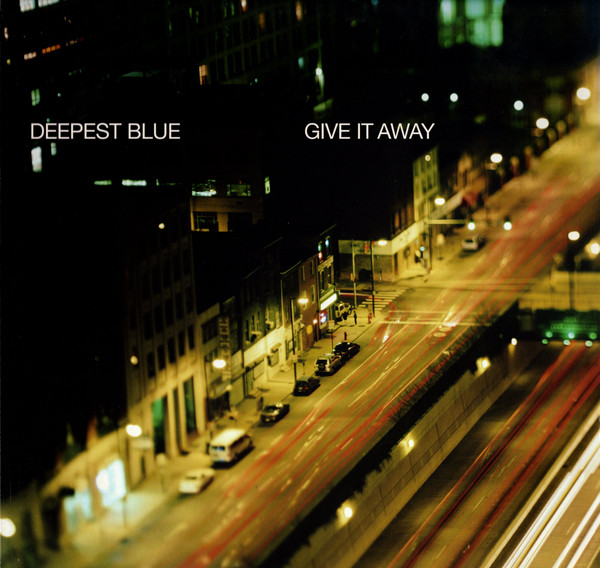
“Give It Away” followed in early 2004 and gave the duo a second UK Top 10 single. Rather than simply repeat the debut, it reinforced their ability to write songs that felt complete outside the club format. The production remained sleek and propulsive, but the emotional centre came from Edwards’ vocal delivery and the duo’s preference for direct, memorable songwriting.
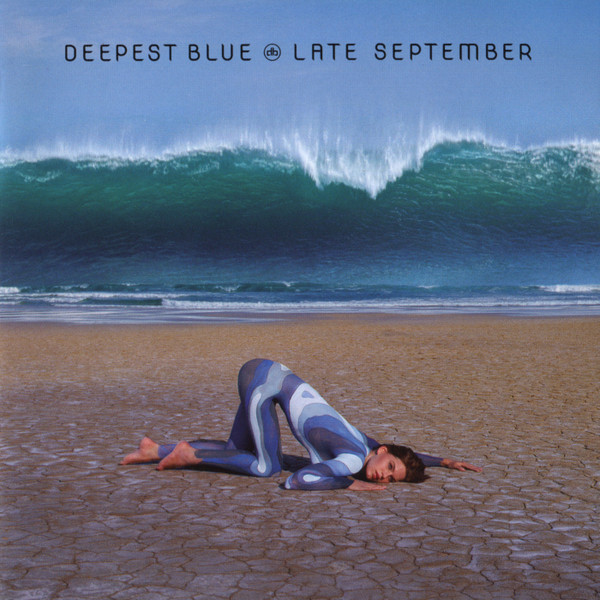
The album Late September expanded that sound into a full-length statement. Its tracklist moved through house, electronic pop and slower atmospheric material while preserving a consistent sense of yearning. Singles such as “Is It a Sin” and “Shooting Star” showed that Deepest Blue were interested in songs first and genre boundaries second.
After their initial run, Schwartz and Edwards pursued other projects before periodically returning to Deepest Blue. Later releases and reworkings kept the name active, but the project’s lasting identity remains rooted in that concise early catalogue: polished, wistful and unmistakably tied to the sound of British electronic music in the early 2000s.
Key moments
A compact catalogue with a lasting impact on early-2000s electronic pop.
Deepest Blue is formed
Joel Edwards and Matt Schwartz establish the project in London.
“Deepest Blue” breaks through
The debut single reaches number seven on the UK Singles Chart and introduces the duo’s melodic house sound.
A second UK Top 10 single
“Give It Away” reaches number nine in the United Kingdom.
“Is It a Sin” extends the run
The third single enters the UK Top 30 and adds a darker, more reflective edge to the catalogue.
Late September is released
The duo’s debut album arrives in June and reaches number 22 on the UK Albums Chart.
“Shooting Star” closes the album cycle
The single becomes closely associated with British sports television through its use by Sky Sports News.
The project returns with “Miracle”
Deepest Blue reappears through Matt Schwartz’s Destined Records.
A new phase begins
The duo announces its return and collaborates with Filatov & Karas on a new version of “Give It Away”.
Essential releases
The central releases from Deepest Blue’s original breakthrough period.
Essential tracks
Six tracks that define the duo’s balance of melody, atmosphere and club production.
A concise soundtrack to the early-2000s dance-pop crossover
Deepest Blue’s original catalogue is small, but its identity is unusually clear. The duo arrived during a period when British dance music was increasingly comfortable borrowing the structure and emotional language of pop songs. Their strongest records did not treat vocals as decoration; the vocal and lyric were the centre of the arrangement.
That approach helped “Deepest Blue” and “Give It Away” outlive the immediate club cycle. Their clean production, wistful tone and instantly recognisable refrains continue to function as markers of the era, while Late September remains a focused example of how house, electronic pop and singer-songwriter instincts could coexist on one record.
Experience behind the duo
Deepest Blue was built by two musicians whose work extended well beyond the project itself.
Matt Schwartz
Producer, songwriter, DJ and multi-instrumentalist whose earlier credits included work connected with Massive Attack and whose later projects included The Drill, DADA and M’Black.
Joel Edwards
Singer-songwriter and producer whose vocal presence gave Deepest Blue its reflective character, alongside work with artists and projects including Planet Funk and Chicane.
Visual identity
The artwork associated with Late September and “Is It a Sin” was created through the visual world of Storm Thorgerson and his collaborators, giving the project a surreal, instantly identifiable sleeve aesthetic.
Official destinations
Stream the catalogue and follow official project updates.
Editorial profile prepared using official artist and streaming destinations, MusicBrainz, the Official Charts Company, label release data and verified discography records.
More from Deepest Blue
Discussion
No comments yet. Be the first to share your thoughts!
No comments yet.