

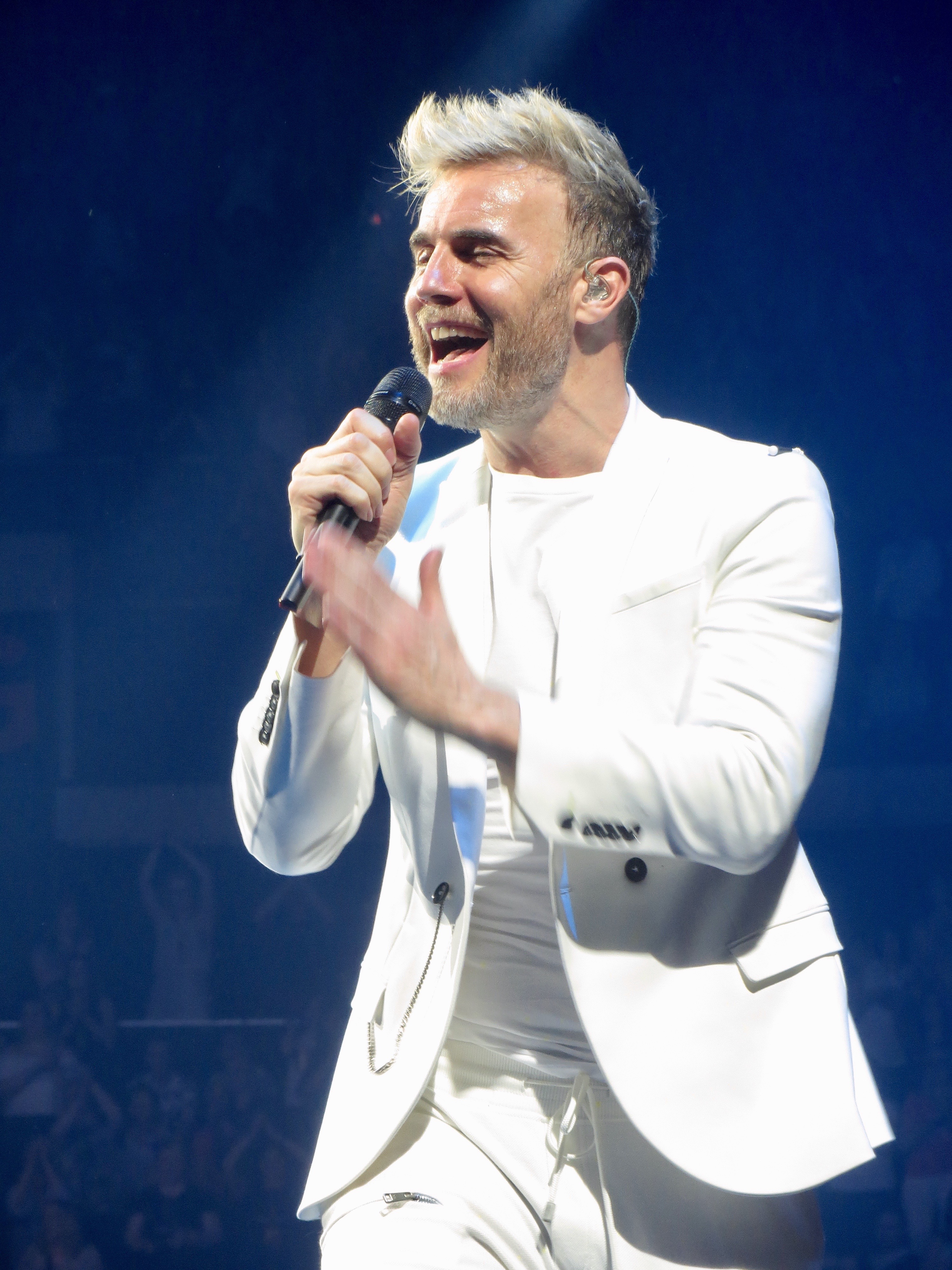
Artist
Gary Barlow
Why we feature this artist The song at the piano, outside the group Gary Barlow's solo records place a familiar songwriting voice in a different frame from Take That. The piano remains central, but the albums range from polished nineties pop to folk-influenced…
- From
- United Kingdom
- Sound
- Pop
- Active
- 1984–present
Start with the music
Tracks to explore
The artist, in context
The story of Gary Barlow
Why we feature this artist
The song at the piano, outside the group
Gary Barlow's solo records place a familiar songwriting voice in a different frame from Take That. The piano remains central, but the albums range from polished nineties pop to folk-influenced arrangements and later experiments with a larger ensemble. They also document an unusually uneven route from early success through a retreat and a much more confident return.
The first solo chapter
Barlow had already written many of Take That's defining songs when the group first separated in 1996. Forever Love introduced the solo career that year, followed by Open Road in 1997. Love Won't Wait and the title track revealed different sides of the debut, from a sharply constructed pop single to the more reflective setting suggested by the album's name.
Twelve Months, Eleven Days followed in 1999, including Stronger and For All That You Want. The second album did not sustain the momentum of the first, and a long period passed before another full solo studio project. Barlow continued writing, while Take That's later reunion gave his work a renewed public context and a different perspective on the earlier difficulties.
Since I Saw You Last
The Sing project in 2012 brought together a large collection of voices and musicians for the Diamond Jubilee. Since I Saw You Last followed in 2013, with Let Me Go giving the solo sound a more pronounced acoustic and folk-pop rhythm. Face to Face, a duet with Elton John, joined two pianists whose approaches to melody were immediately recognisable.
Music Played by Humans in 2020 made ensemble playing part of its central idea, using a much larger instrumental setting and guest performers. The contrast with Open Road is instructive: these are records made at different stages of a career, with different questions about what a solo album should offer. The strongest material makes its point through the shape of a melody before the arrangement begins to advertise its scale.
Essential releases
Open Road
Forever Love, Love Won't Wait and the title track introduce Barlow's first solo album.
Since I Saw You Last
Let Me Go and the Elton John duet Face to Face frame a more assured return.
Music Played by Humans
An ensemble-focused record that gives the songs a much larger instrumental palette.