

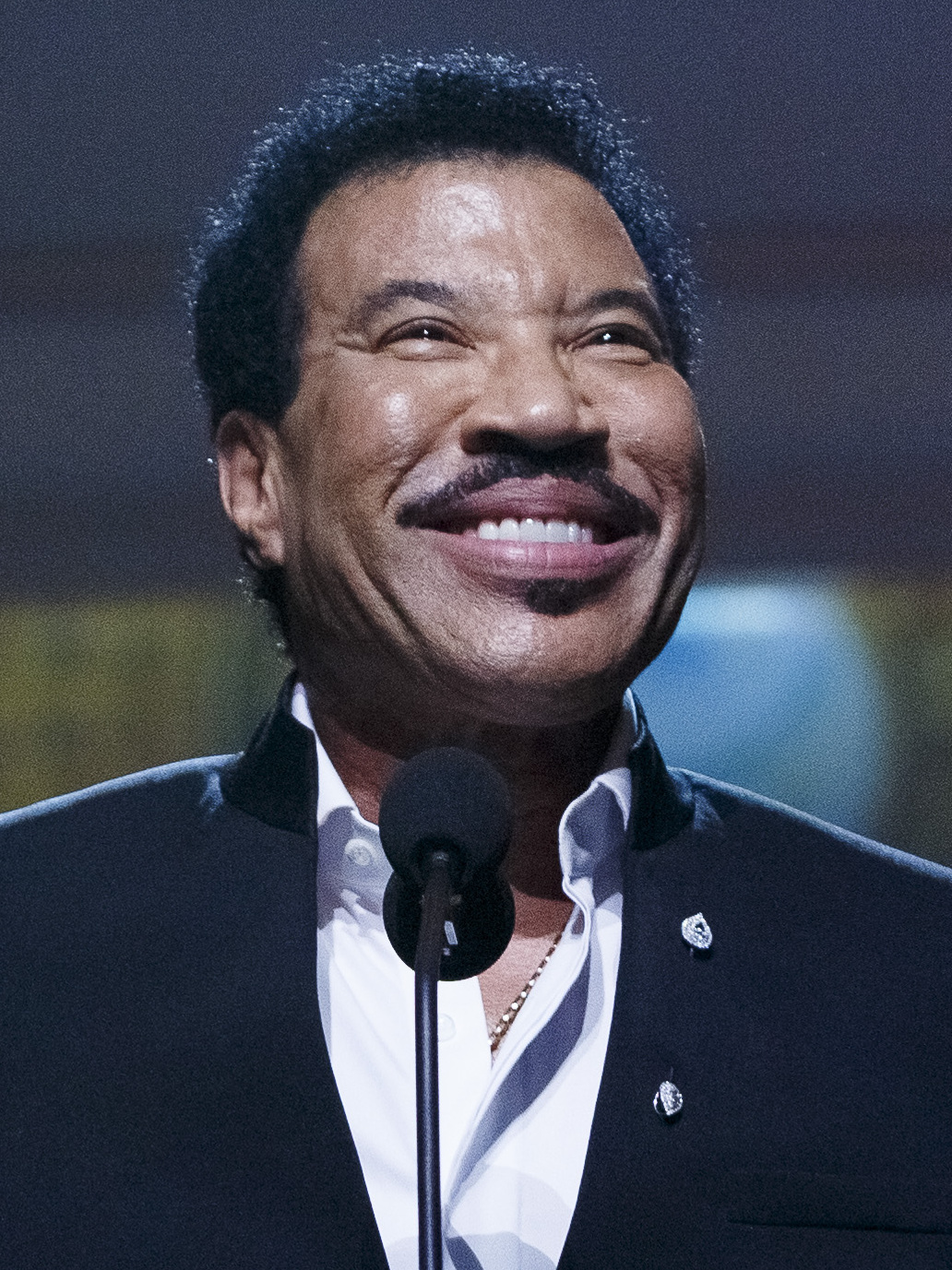
Artist
Lionel Richie
Why we feature this artist Lionel Richie: a melody that sounds easy to follow Lionel Richie’s best songs can make their construction seem effortless. A vocal line feels conversational until the chorus reveals how carefully its shape has been prepared. His voic…
- From
- United States
- Sound
- pop, soul, funk, rhythm and blues
- Active
- 1968–present
Start with the music
Tracks to explore
The artist, in context
The story of Lionel Richie
Why we feature this artist
Lionel Richie: a melody that sounds easy to follow
Lionel Richie’s best songs can make their construction seem effortless. A vocal line feels conversational until the chorus reveals how carefully its shape has been prepared. His voice has enough warmth to carry a ballad quietly, and enough rhythmic ease to sit naturally inside a dance arrangement.
From the Commodores to a solo voice
Richie’s work with the Commodores established both sides of that musical personality: a connection to a band’s groove and an instinct for a direct, emotionally legible song. His self-titled solo debut appeared in 1982, with Truly and You Are among its familiar recordings.
The singing is recognisable before a large chorus arrives. Richie can make a phrase feel personal through timing and tone, rather than needing to add a vocal flourish at every turn. That economy gives the melody room to do its work.
Can’t Slow Down
The 1983 album Can’t Slow Down brought together All Night Long, Hello, Stuck on You and Running with the Night. Those songs ask for different kinds of performance, but the voice connects them without strain.
A dance-oriented refrain can have the same clarity as a ballad when the singer knows which part of the line matters. Richie’s phrasing often makes the tune sound established almost immediately, as if the listener has joined a song already being sung somewhere else.
Angel and Renaissance
Renaissance arrived in 2000. Angel brought his voice into a more overtly electronic pop setting, with Mark Taylor and Brian Rawling producing and Taylor, Paul Barry and Richie sharing the writing credit.
The track is a useful later introduction because the production changes without obscuring the singer’s identity. The rhythm is brighter and more tightly programmed, while the vocal retains the same easy melodic direction. A different studio vocabulary still leads back to the song.
Essential releases
Lionel Richie
The solo debut includes Truly and You Are.
Can’t Slow Down
Ballads and rhythmic pop sit together in one of the defining solo albums.
Renaissance
Angel places the familiar voice inside a brighter electronic arrangement.