

Artist
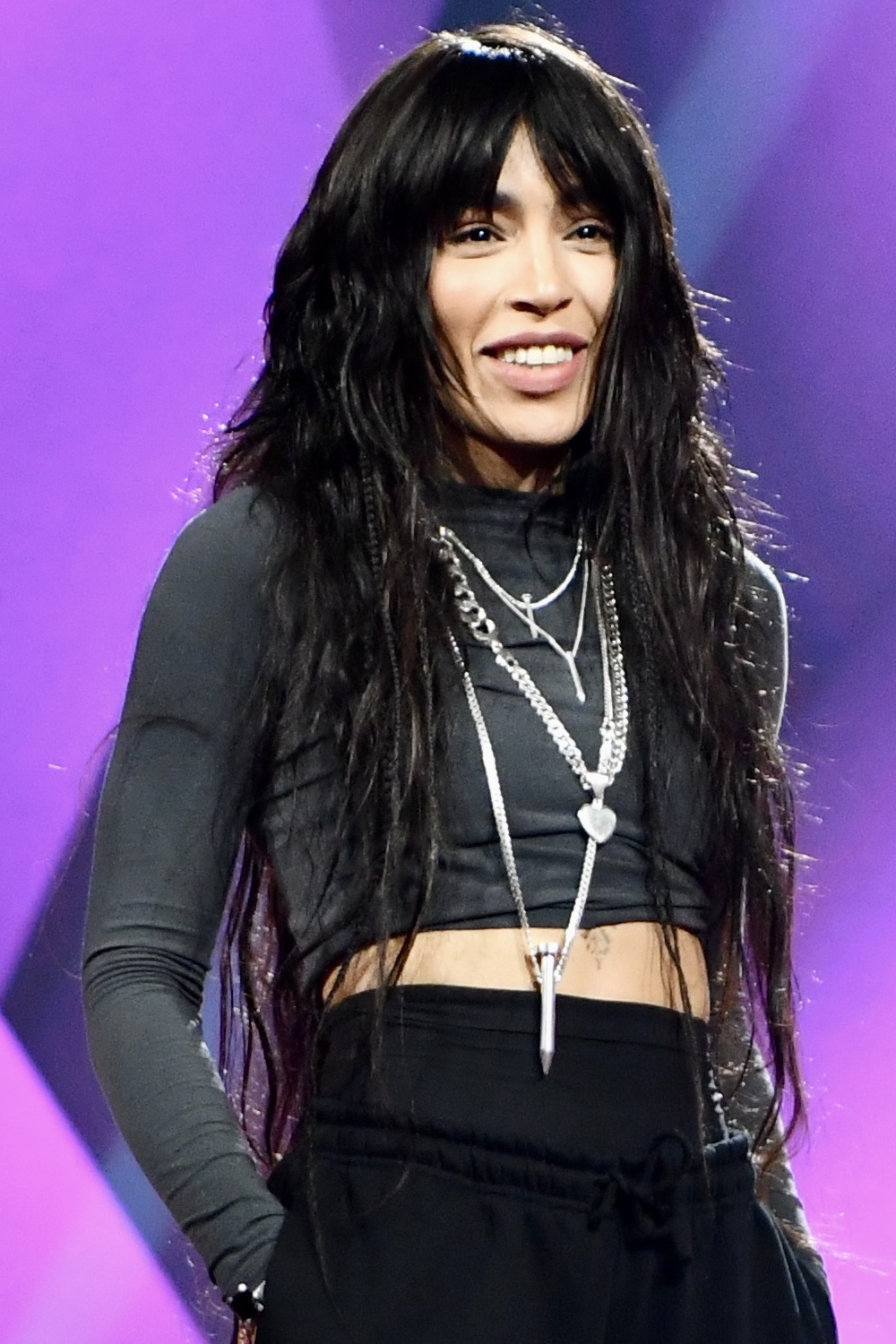
Loreen
Why we feature this artist The physical force of a held emotion Loreen’s two Eurovision-winning songs are important landmarks, but the music between them matters as well. Her performance style gives electronic pop a physical intensity: the voice, movement and …
- From
- Sweden
- Sound
- pop, dance-pop, indie pop, indie rock
- Active
- 2004–present
Start with the music
Tracks to explore
The artist, in context
The story of Loreen
Why we feature this artist
The physical force of a held emotion
Loreen’s two Eurovision-winning songs are important landmarks, but the music between them matters as well. Her performance style gives electronic pop a physical intensity: the voice, movement and rhythm seem to work through the same emotional pressure. The records are at their most distinctive when a large chorus still leaves a sense of tension unresolved.
Euphoria becomes more than a competition song
Euphoria won Eurovision for Sweden in 2012 and became the defining introduction to her first album, Heal. The arrangement moves towards release with unusual patience, allowing the vocal to carry a sense of anticipation before the full rhythmic weight arrives. The stage performance made the body part of that musical argument, giving the song a visual language as recognisable as its refrain.
Heal provides a wider setting around that moment. The album places the singer within electronic pop production without reducing the entire story to one televised performance. It is the first substantial recording chapter, rather than simply a container for the best-known song.
Ride takes a less obvious route
Ride in 2017 deliberately moves into a rougher, more exploratory sonic world. The BMG release material presents that change as central to the record, and the album deserves to be heard in that context. It complicates an identity that could otherwise have been fixed around one very successful production approach. Tattoo in 2023 brought another Eurovision victory, making Loreen the second artist to win the contest twice. Its return to a large electronic frame does not erase the intervening chapter. The contrast between these releases gives the catalogue its perspective: a public signature can coexist with a less predictable album journey. Loreen’s ability to hold intensity across both remains a more useful musical description than a list of competition results alone.
Essential releases
Heal
The debut gives Euphoria a wider album context, establishing a sustained electronic-pop setting around the singer’s physically intense delivery.
Ride
A rougher and more exploratory production direction offers an essential counterpoint to the best-known competition recordings.
Tattoo
The second Eurovision-winning song brings another large electronic arrangement, connecting a new public landmark with a longer recording history.