

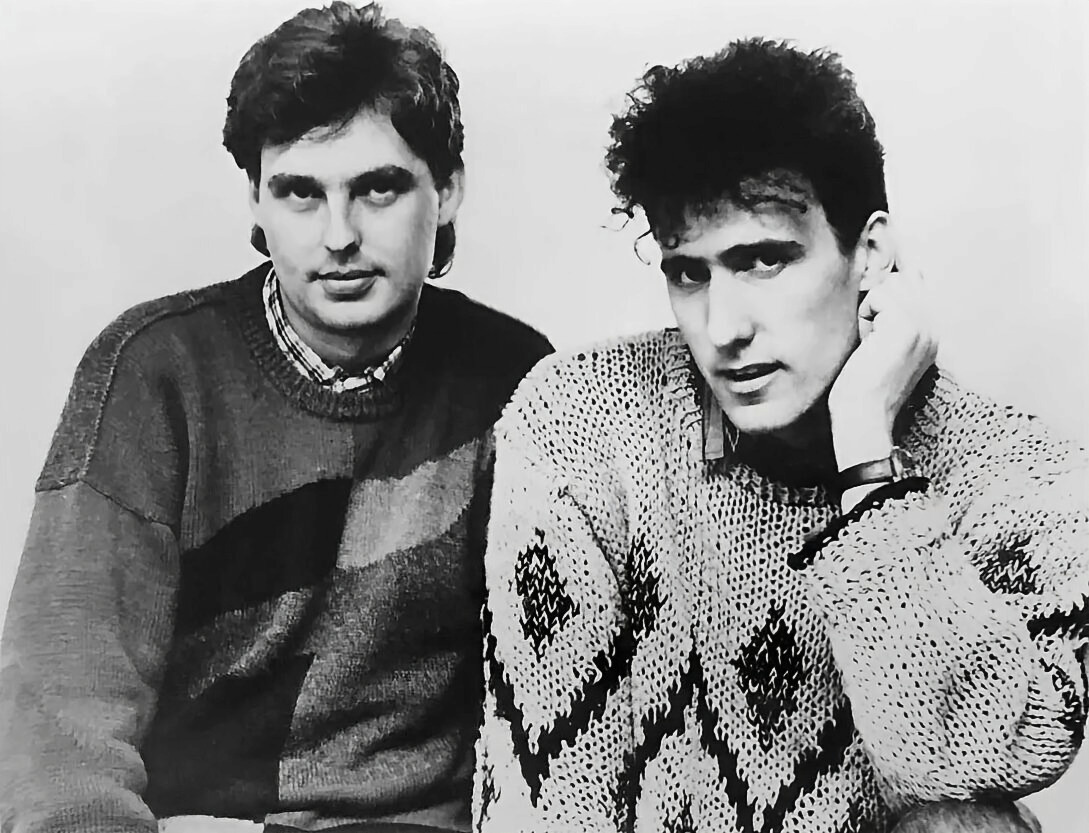
Artist
OMD
Why we feature this artist Pop songs, radio signals and the machinery between them Orchestral Manoeuvres in the Dark made electronic instruments carry unusually human tensions. A memorable melody could sit beside a strange interruption, while a song about hist…
- From
- United Kingdom
- Sound
- synth-pop
- Active
- 1978–1996, 2006–present
Start with the music
Tracks to explore
The artist, in context
The story of OMD
Why we feature this artist
Pop songs, radio signals and the machinery between them
Orchestral Manoeuvres in the Dark made electronic instruments carry unusually human tensions. A memorable melody could sit beside a strange interruption, while a song about history or technology could become something people sang together.
The early albums refuse a simple division
Andy McCluskey and Paul Humphreys established a musical partnership in which experiment and pop writing could develop together. Electricity provides an early, particularly concise introduction. The self-titled debut and Organisation both arrived in 1980, with Enola Gay giving the latter an immediately recognisable rhythmic and melodic outline. The subject is serious; the brightness of the sound does not remove that unease.
Architecture & Morality in 1981 gives the contrast more room. Souvenir, Joan of Arc and Maid of Orleans are distinctive songs within a record that also values atmosphere, instrumental colour and the spaces between the more direct refrains. The album makes a strong case for hearing OMD beyond the familiar singles.
Dazzle Ships makes the interruptions part of the record
Dazzle Ships followed in 1983, placing Genetic Engineering and Telegraph within a more fragmented listening experience. Its short pieces and electronic textures make the movement between tracks unusually important. It is a revealing neighbour to Architecture & Morality: the band could sharpen a melody and still question how a pop album should behave. Later chapters, from Junk Culture and the 1991 Sugar Tax period to the reunited partnership’s History of Modern, show a catalogue that repeatedly renegotiates that relationship. OMD’s best records do more than place a tune over a machine rhythm. The instrument can sound hopeful, impersonal or faintly unsettling, changing what an apparently straightforward refrain means when it returns.
Essential releases
Organisation
Enola Gay introduces a distinctive balance of electronic brightness and a more troubling subject.
Architecture & Morality
Souvenir and the Joan of Arc songs sit within a carefully shaped album of contrasting textures.
Dazzle Ships
A more fragmented record that makes transitions, short pieces and electronic detail central to the experience.