

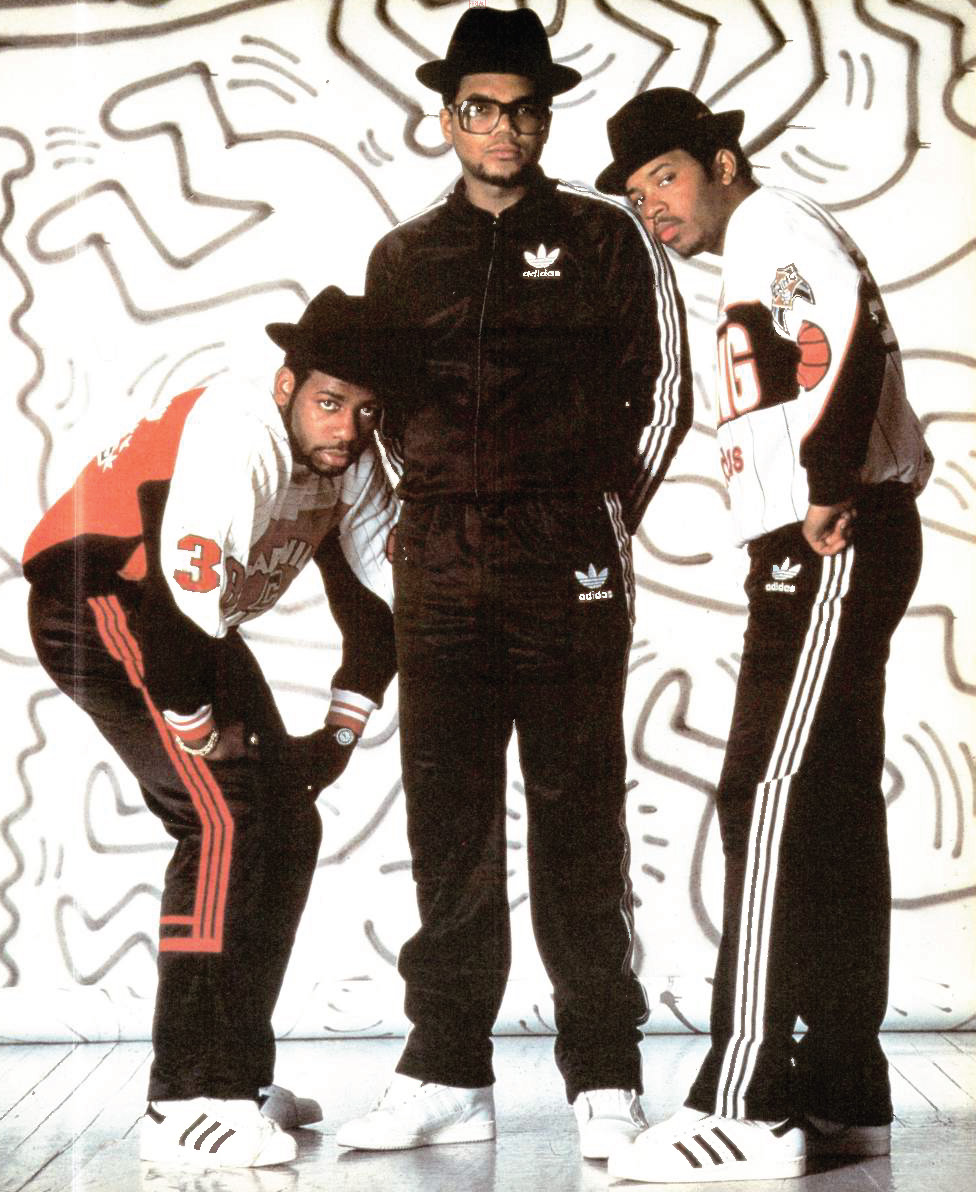
Artist
Run DMC
Why we feature this artist Two voices and a DJ make the arrangement feel larger Run-D.M.C.’s early recordings find force in clarity. Joseph Simmons and Darryl McDaniels trade phrases with sharply distinct rhythmic personalities, while Jam Master Jay’s work at …
- From
- United States
- Sound
- Hip-hop, rap rock
- Active
- 1983–2002, 2012–2014, 2023
Start with the music
Tracks to explore
The artist, in context
The story of Run DMC
Why we feature this artist
Two voices and a DJ make the arrangement feel larger
Run-D.M.C.’s early recordings find force in clarity. Joseph Simmons and Darryl McDaniels trade phrases with sharply distinct rhythmic personalities, while Jam Master Jay’s work at the turntables helps make the space between those voices part of the music.
The first records put the attack close to the listener
It’s Like That and Sucker M.C.’s arrived in 1983, followed by the self-titled album in 1984. The sparse rhythmic setting leaves the delivery unusually exposed. A repeated line, a sudden vocal emphasis or an instrumental interruption can have a large impact because there is little unnecessary material surrounding it.
Rock Box gives the debut another musical dimension through its guitar-led arrangement. King of Rock in 1985 develops that connection further, while the group’s voices remain the point of focus. The exchange is central: one performer can press a phrase forward and the other can make the next entrance feel like an answer, a challenge or a shared declaration.
Raising Hell gives the formula several different shapes
The 1986 album includes Peter Piper, It’s Tricky, My Adidas and Walk This Way. The Aerosmith collaboration gives a particularly visible form to the meeting with rock, but the other songs explain more of the record’s range. A turntable figure, a carefully chosen repeated sound or a short collective phrase can organise a whole performance. Tougher Than Leather in 1988 adds Run’s House and Mary, Mary to the catalogue, before later releases take the group through further production settings. The early records remain compelling partly because their apparent simplicity keeps the performers’ decisions so easy to hear. The timing does not disappear inside the beat. It sits directly in front of the listener, allowing confidence, humour and competitive energy to become part of the arrangement itself.
Essential releases
Run-D.M.C.
The debut places sparse vocal exchanges beside the guitar-led Rock Box.
King of Rock
The title track develops the group’s forceful relationship between rap performance and rock instrumentation.
Raising Hell
Peter Piper, My Adidas, It’s Tricky and Walk This Way reveal several distinct uses of the group’s concise recording language.