

Artist
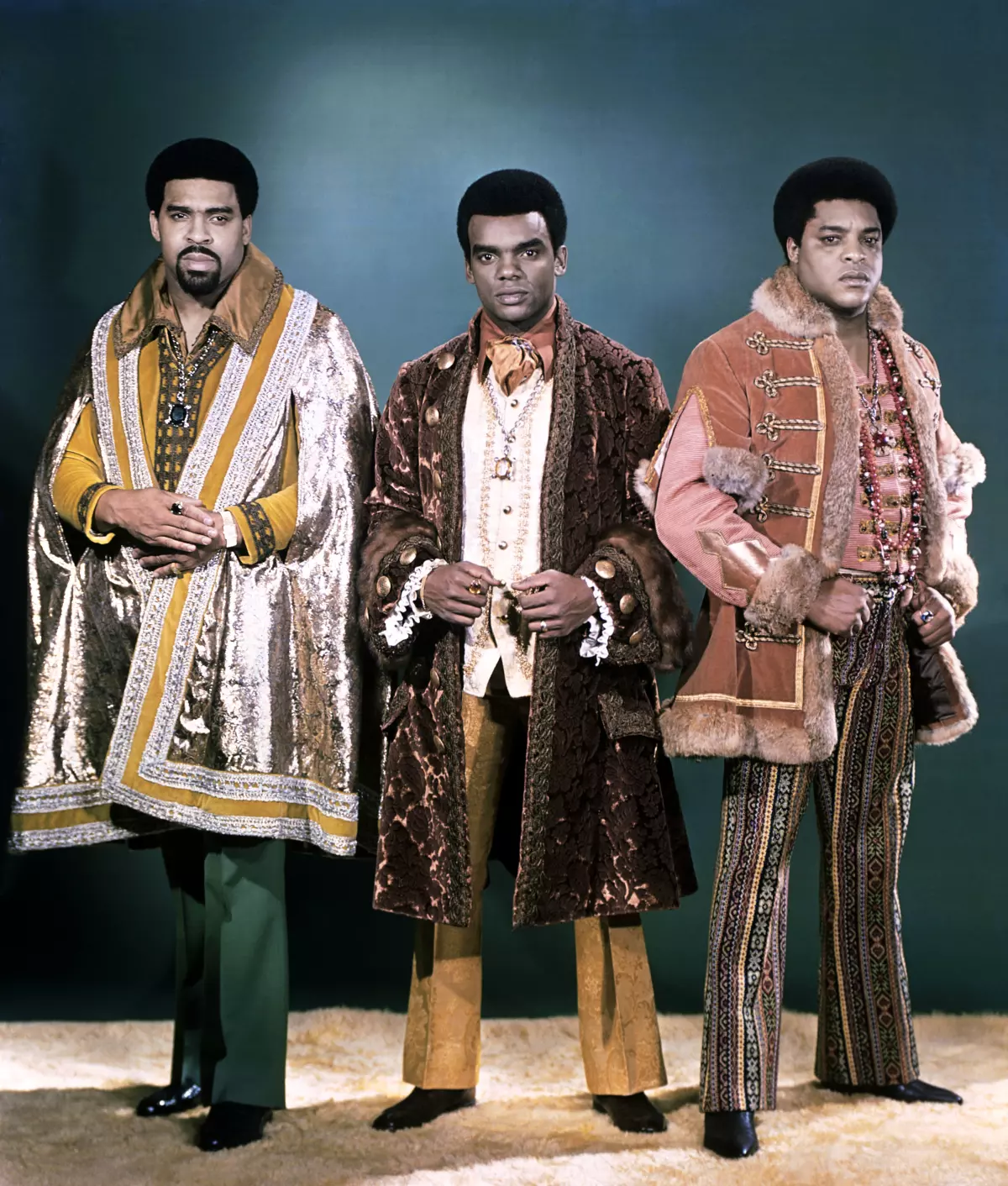
The Isley Brothers
Why we feature this artist A family group that kept finding a new rhythmic centre The Isley Brothers' catalogue moves from early rock and roll through Motown, independent soul, heavy guitar and a particularly supple kind of funk. Ronald Isley's voice supplies …
- From
- United States
- Sound
- R&B, soul, funk
- Active
- 1954–present
Start with the music
Tracks to explore
The artist, in context
The story of The Isley Brothers
Why we feature this artist
A family group that kept finding a new rhythmic centre
The Isley Brothers' catalogue moves from early rock and roll through Motown, independent soul, heavy guitar and a particularly supple kind of funk. Ronald Isley's voice supplies one clear thread, but the instrumental development matters just as much. The group repeatedly changed the scale and physical character of its records without making the history sound like a series of unrelated acts.
The early songs and the independent turn
The brothers began singing together before Shout became their first major signature recording in 1959. Their version of Twist and Shout followed in 1962, and a Motown period brought This Old Heart of Mine (Is Weak for You) in 1966. Each setting asked a different kind of rhythmic and vocal response, with the group able to make familiar song forms feel unusually physical.
It's Your Thing in 1969 marked a decisive independent chapter through T-Neck, giving the groove a much more explicit central role. The music could be direct without being plain: a small bass movement or vocal response could change the pressure of the whole arrangement, making the repeated phrase feel like an active exchange between the singers and the instruments.
The 3 + 3 line-up
The 1973 album 3 + 3 formalised the expanded group with Ernie Isley, Marvin Isley and Chris Jasper alongside the older brothers. That Lady gave Ernie's guitar a particularly prominent voice, while the interpretation of Summer Breeze revealed another kind of spacious arrangement. The band could move between muscular funk and a slower, highly textured performance without losing its shared rhythmic identity.
Go for Your Guns followed in 1977, including Footsteps in the Dark and The Pride, with Between the Sheets arriving in 1983. These records left a long afterlife in later R&B and hip-hop, but the original performances remain complete musical conversations. The bass, guitar, keyboards and vocal do not simply support one another; each can provide the small figure that determines how the entire song feels.
Essential releases
3 + 3
That Lady and Summer Breeze reveal the expanded line-up's range of guitar, keyboard and vocal textures.
Go for Your Guns
Footsteps in the Dark and The Pride give the group's rhythmic detail a particularly clear setting.
Between the Sheets
A later studio chapter whose atmosphere and instrumental language continued to resonate well beyond its original release.