

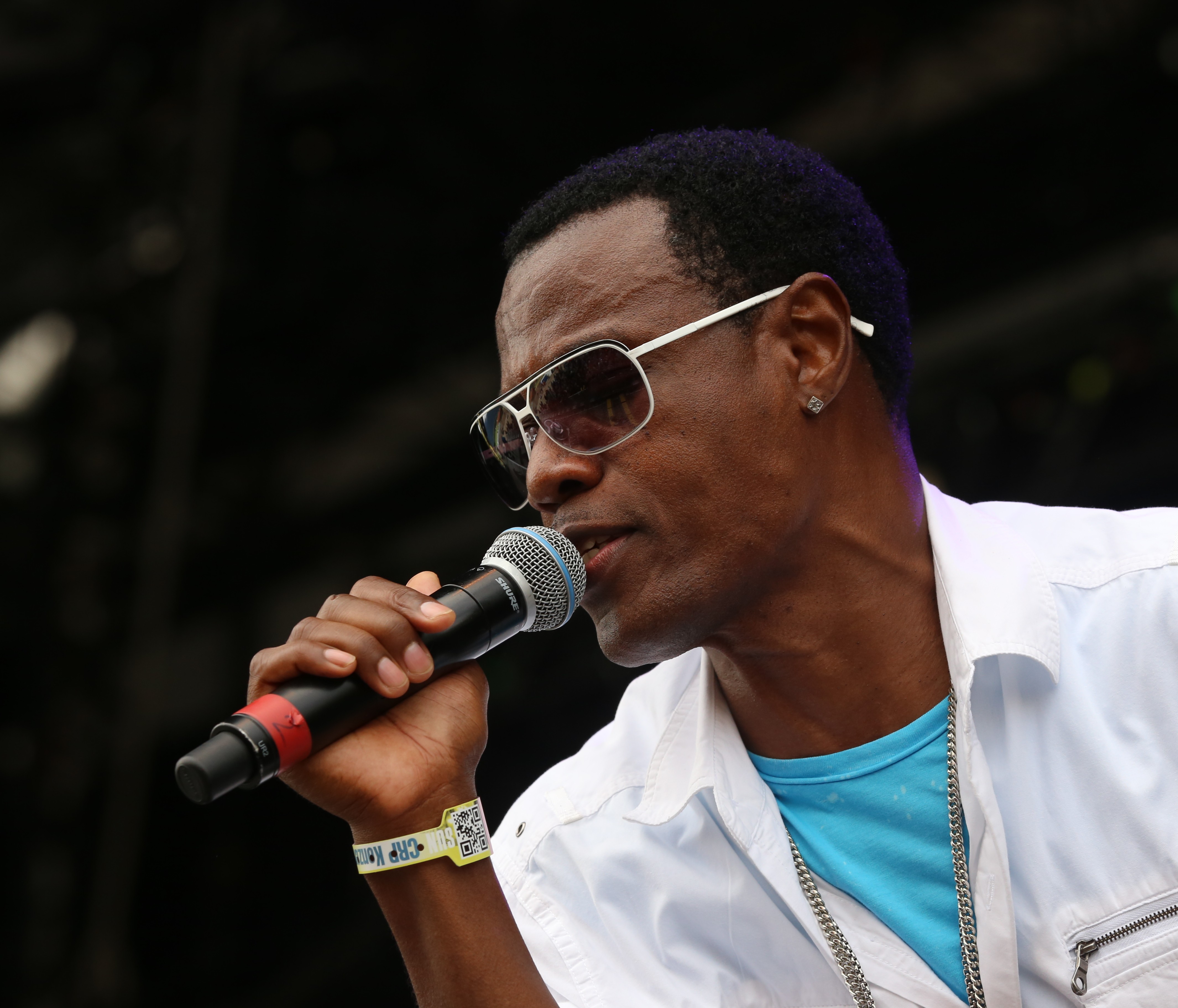
Artist
Wayne Wonder
Why we feature this artist A Jamaican singer with years behind the first international hit No Letting Go introduced Wayne Wonder to a much larger pop audience in 2003, but the ease of the singing came from a long recording history. The Jamaican performer had a…
- From
- Jamaica
- Sound
- Reggae, dancehall
- Active
- 1985–present
Start with the music
Tracks to explore
The artist, in context
The story of Wayne Wonder
Why we feature this artist
A Jamaican singer with years behind the first international hit
No Letting Go introduced Wayne Wonder to a much larger pop audience in 2003, but the ease of the singing came from a long recording history. The Jamaican performer had already worked through reggae and dancehall settings with major local producers. The breakthrough gave that experience a new scale, placing a melodic voice over one of the period's most recognisable rhythms.
The Jamaican recording years
Born Von Wayne Charles, he developed a voice that could sit naturally inside both a sung reggae arrangement and a more sharply organised dancehall rhythm. His work connected him to producers including King Tubby, Donovan Germain, Dave Kelly and others, with the performance adapting to the musical setting without losing its clear melodic centre.
That background matters to the later pop records. The singing does not simply float over a finished beat; the placement of the words helps determine how the rhythm feels. A small delay or an extra melodic movement can make a repeated instrumental pattern seem to change character, keeping the performance active even when the underlying track remains deliberately consistent.
No Holding Back
No Holding Back appeared in 2003 through the VP and Atlantic release partnership, with No Letting Go providing the principal international introduction. The song used Steven 'Lenky' Marsden's Diwali rhythm, whose clipped handclap pattern gave the melodic line a particularly distinctive foundation. Wonder's warm, direct phrasing made the production feel intimate enough for a love song and immediate enough for a club.
Foreva followed in 2007, extending the recording catalogue after the breakthrough period. The best-known single remains an effective entrance because it catches the singer's central skill so clearly: a voice able to make a strong melody sound relaxed while staying closely engaged with the beat. The surrounding history reveals that apparent ease as a developed musical craft, built through many different studios and rhythmic settings.
Essential releases
No Holding Back
The international album places No Letting Go inside a broader set of reggae and dancehall performances.
No Letting Go
The Diwali rhythm and Wonder's melodic phrasing produce a particularly clear meeting of dancehall and pop.
Foreva
A later album extends the catalogue beyond the defining crossover moment.